This guide equip you to be that faceless YouTube video maker that not only automate but leverage simple technology and turn it into millions
Let’s address the elephant in the room. When most people think about starting a YouTube channel, they picture exactly what we’ve been conditioned to see: a highly energetic vlogger staring down the lens of an expensive camera, surrouded by ring lights, pouring their personality into the microphone.
This leads to the biggest misconception in the creator economy: You have to be a charismatic extrovert to succeed on YouTube.
Here is the profitable reality: the YouTube algorithm doesn’t care about your charisma or how good you look on camera. It cares about viewer retention and click-through rates. The platform simply wants to know if a video delivers value, solves a problem, or tells a gripping story that keeps people watching. And none of those things actually require your face to be on the screen.
By shifting your mindset from being an “influencer” to being a “digital producer,” you completely remove the pressure of performance. You stop relying on your daily energy levels and start building a highly scalable, automated digital asset.nded by ring lights, pouring their personality into the microphone.
For a lot of aspiring digital entrepreneurs, that image is a massive roadblock. The thought of being on camera triggers a very real anxiety. Maybe you’re naturally introverted, maybe you value your privacy and don’t want the world analyzing your personal life, or maybe you simply don’t have the time to set up lighting, memorize scripts, and “perform” for hours just to get a usable 10-minute cut.
Faceless YouTube video makers are not just influencers but digital publishers.
Understanding YouTube as a high leverage business model.
For years, the standard formula for YouTube success looked exactly the same: buy an expensive camera, set up perfect lighting, and spend hours talking directly to your audience. It created a massive bottleneck. If you were tired, sick, or simply didn’t want to be on camera, production stopped. Your income was tied directly to your physical presence.
Enter the faceless YouTube channel.
This isn’t just a different style of video; it is a fundamental shift from being an influencer to being a digital publisher. By removing the need for an on-camera host, you transform a YouTube channel into a highly scalable, high-leverage business.
How this faceless YouTube video makers is changing the game
Here is why this digital real estate model (faceless video makers) is changing the game:
You Eliminate the Bottleneck: When you aren’t the face of the brand, production never has to stop. By using the right video maker tools, AI voiceovers, and script frameworks, you automate the heavy lifting. You can even manage multiple channels in entirely different niches at the same time.
Maximum Leverage: In the digital economy, leverage means doing the work once and getting paid indefinitely. A well-optimized faceless video acts as an automated digital salesperson. It works 24/7 to capture search traffic, generate ad revenue, and drive affiliate sales months—or even years—after you hit publish.
Global Reach, Complete Privacy: You can build a massive audience in high-paying demographic regions (like the US or UK) and earn in global currencies, all from your laptop, without ever compromising your privacy or personal brand.
You are no longer relying on on-camera charisma; you are relying on systems, automation, and proven content frameworks.
What you I’ll learn in this blueprint as a faceless YouTube video maker.
This guide is long and details to touch the most vital aspect of Faceless automation. As to make you pro faceless YouTube video maker. And at same time make a living doing so.
- Phase 1: Finding Your Goldmine Niche
You will learn how to identify high-CPM (Cost Per Mille) niches where advertisers pay top dollar. We will cover how to evaluate competition, validate trends, and select a topic that guarantees consistent viewership and maximizes your earning potential. - Phase 2: The Anatomy of a Viral Script
You will discover the exact formula for structuring irresistible hooks and maintaining high viewer retention. We will break down how to leverage AI tools to write compelling, deeply researched scripts in a fraction of the time. - Phase 3: Mastering Audio & Voiceovers
You will learn how to bypass robotic-sounding audio and generate ultra-realistic AI voiceovers. We will show you the exact settings and tools required to produce engaging, professional narration without ever touching a microphone. - Phase 4: Video Assembly & The Maker Toolkit
You will get a comprehensive walkthrough of top-tier faceless video makers. You will learn how to seamlessly merge dynamic B-roll, auto-captions, and smooth transitions to create visually stunning, high-retention videos that look like they took a team of editors to build. - Phase 5: The Automation Machine
You will learn how to transition from a single creator to a digital business owner. We will map out a streamlined workflow, showing you how to batch-produce content, schedule uploads, and fully automate the process so your channel grows passively. - Phase 6: High-Intent Monetization
You will learn how to scale your income far beyond standard YouTube AdSense. We will cover how to strategically integrate high-ticket affiliate marketing, brand deals, and digital product sales directly into your automated video strategy.
The mechanics of a faceless YouTube channel
At its core, a faceless YouTube channel removes the traditional “talking head” from the equation. Instead of relying on a charismatic host to keep viewers watching, the channel relies entirely on the subject matter itself.
Think of it less like a traditional vlog and more like a mini-documentary or an engaging digital presentation. Because there is no human face to carry the viewer’s attention through lulls in the content, faceless channels must be engineered for high retention using four specific pillars:
1. The Voiceover (the faceless YouTube video maker The Invisible Guide)
1. The Voiceover (The Invisible Guide)
Without a face to look at, the voice becomes the channel’s personality. The voiceover dictates the pacing, the emotion, and the authority of the video.
The standard: This can be a hired voice actor from platforms like Fiverr, or increasingly, ultra-realistic AI voice generators (like ElevenLabs) that have mastered human inflection, pauses, and breath sounds.
The goal: To sound authoritative but conversational, guiding the viewer seamlessly from the hook to the end screen.
2. Strategic Stock Footage (The Visual Anchor)
2. Strategic Stock Footage (The Visual Anchor)
To prevent viewers from clicking away, the screen needs constant, relevant movement.
How it works: Creators use libraries of high-quality B-roll (stock videos and images) to visually represent exactly what the voiceover is saying at any given second.
The rule of thumb: The visual should change or shift every 3 to 5 seconds to constantly reset the viewer’s attention span.
3. Animations and Kinetic Typography
Stock footage alone isn’t always enough to explain complex ideas or maintain high energy.
Visual cues: Faceless channels rely heavily on smooth transitions, pop-up graphics, sound effects (whooshes, pops), and kinetic typography (animated text on screen) to emphasize key words.
Why it matters to faceless YouTube video maker: It gives the viewer’s eyes something specific to track, which dramatically increases watch time.
4. Elite storytelling
When you remove the creator’s personality, the script is king. A charismatic vlogger can get away with a rambling script; a faceless channel will die immediately if the narrative isn’t tight.
Structure: Every video must follow a strict psychological structure: a gripping 10-second hook that fulfills the thumbnail’s promise, a fast-paced body that delivers the value without fluff, and a strong call-to-action.
The focus: The story must constantly open “loops” (asking questions or teasing information) and close them later in the video to keep the viewer hooked.
The Most Profitable Faceless Niches for faceless YouTube video makers
You don’t need to reinvent the wheel to build a highly profitable channel. Some of the most lucrative and heavily trafficked properties on YouTube operate entirely without a charismatic host. By positioning your channel in a high-demand niche, you can capture massive viewership while securing premium ad rates (CPM). Here are three proven niches where the faceless model dominates:
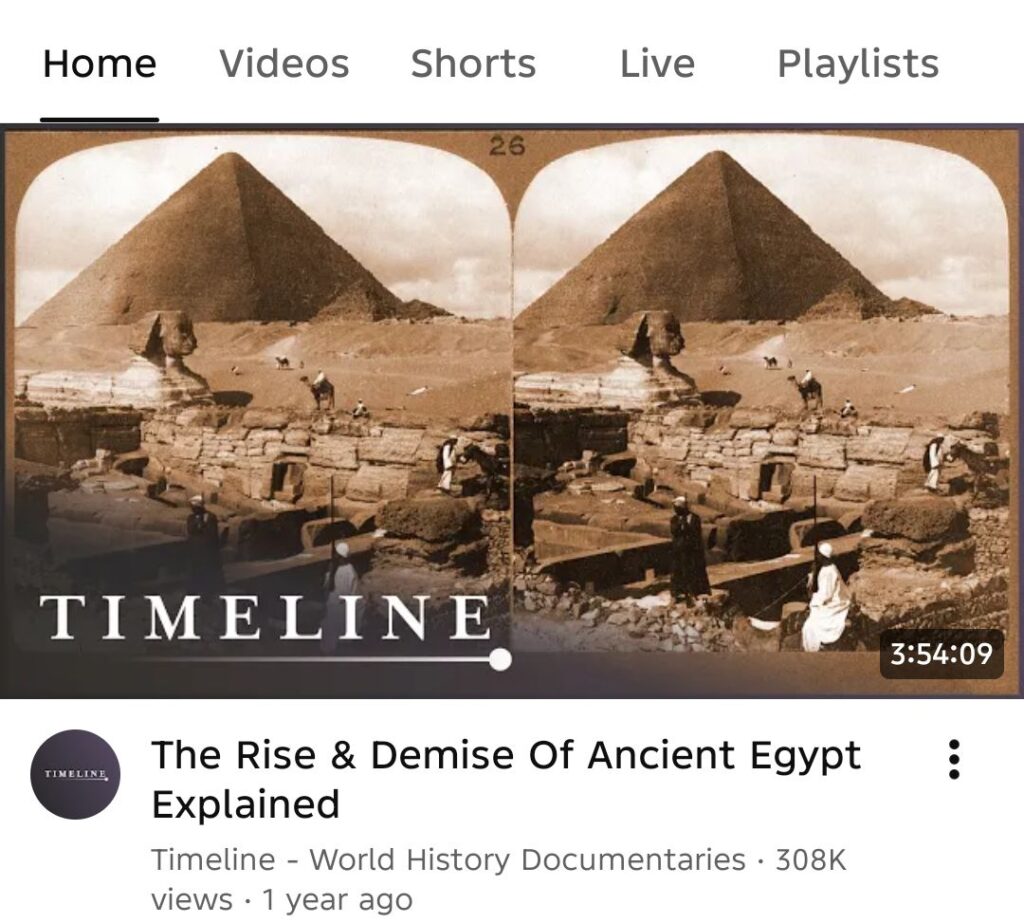
The history and mini-documentary niche
The history and mini-documentary niche is the prestige tier of faceless YouTube automation. Unlike fast-moving trend niches, these channels build deep authority, command high advertiser demand, and generate evergreen passive income for years after a video is published.
At its core, this niche takes complex, real-world events and repackages them into highly dramatic, cinematic visual stories ranging from 10 to 45 minutes.
Why This Niche is Highly Profitable
Why This Niche is Highly Profitable
When optimizing a channel for maximum monetization, watch time and audience demographics are everything.
Massive Retention: A well-scripted story about the rise and fall of a company or an unsolved historical mystery naturally holds viewers to the very end. High retention means YouTube’s algorithm pushes the video to a broader audience and serves more mid-roll ads.
Premium CPMs: Documentaries attract an older, higher-income demographic. Advertisers pay top dollar to place ads here, resulting in some of the highest Revenue Per Mille (RPM) rates on the platform.
Evergreen Lifespan: A video analyzing the collapse of a massive corporation or the strategies of an ancient empire is just as relevant five years from now as it is today. It becomes an asset that continuously generates views.
Brand Sponsorships: Beyond standard AdSense, this format is incredibly attractive to premium sponsors (like software tools, audiobook platforms, and tech companies) because the content is intelligent and brand-safe.

Educational & Tech Explainers: another lucrative niche for faceless YouTube video makers
Educational & Tech Explainers are faceless videos that take complex, confusing, or highly technical topics and break them down into easily understandable, visual lessons. Instead of an on-camera host talking at the viewer, these channels rely on a combination of strong voiceover narration, motion graphics, charts, and screen recordings to “show” rather than “tell.”
Here is why this niche is so effective for automated channels:
Why niche is so effective
The Visuals Do the Heavy Lifting: When explaining how a microchip is made, how a new AI tool works, or the physics of a black hole, dynamic animations and B-roll are far more helpful to the viewer than a human face.
High Search Intent: People constantly use YouTube as a search engine to learn new skills or understand current tech news (e.g., “How does ChatGPT-5 work?” or “Blockchain explained simply”). This creates a steady, evergreen flow of traffic.
High CPMs (Ad Revenue): Advertisers in the software, tech, and education spaces pay top dollar to run ads on these videos, making it one of the most profitable niches on YouTube.
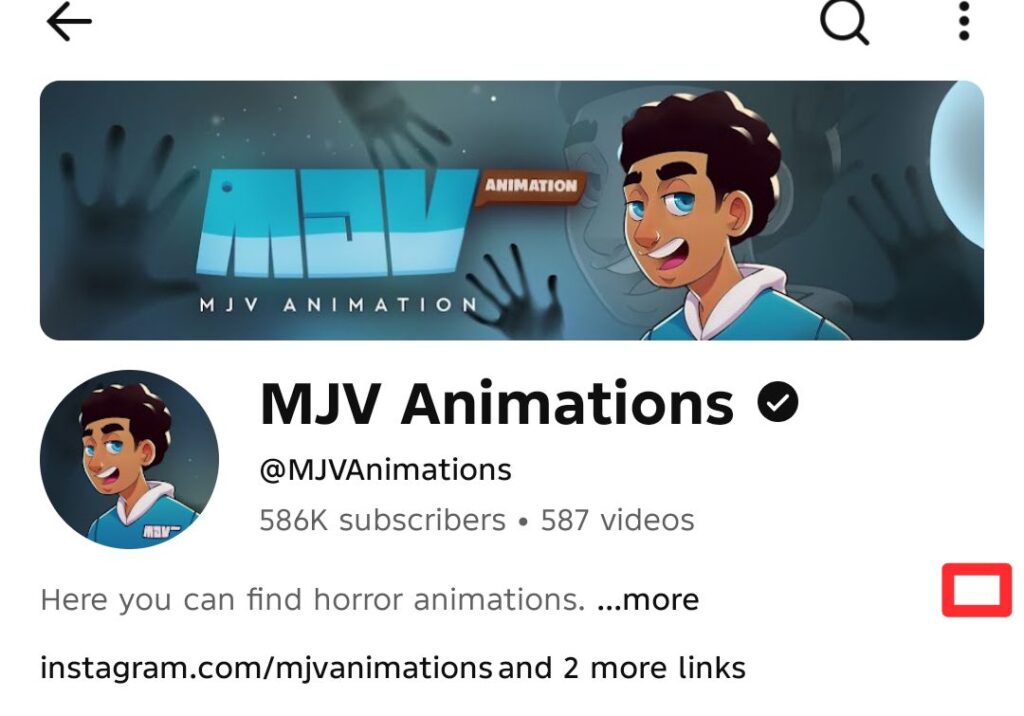
3. Reddit & Story Narration:
Reddit and story narration channels are a popular form of “faceless” content where the faceless YouTube video makers turns text-based internet stories into immersive, visual audiobooks. Instead of original scripted content, these channels curate compelling, viral, or dramatic narratives from popular online communities.
Here is a breakdown of how they work:
The Source Material: Creators source stories from high-traffic subreddits (e.g., r/AskReddit, r/AmItheAsshole, r/NoSleep, or r/Relationship_Advice). These stories are already “battle-tested” because they have usually garnered thousands of upvotes and comments, indicating they are engaging and provocative.
The Visual Style: Because the focus is on the story, the visuals are secondary. Common styles include:
Gameplay Footage: Often features long, looping clips of satisfying games like Minecraft parkour, Subway Surfers, or GTA V driving. This acts as “background noise” to satisfy the viewer’s visual sense while they focus on the audio.
Stock Footage/AI: Some channels use atmospheric stock footage or generated AI imagery that matches the mood of the story.
Text Crawl: The original text of the post is often displayed on screen with highlights, allowing viewers to read along as the narrator speaks.
The Narration: High-quality narration is the backbone of these channels. Creators use either their own voice, a professional voice actor, or, increasingly, high-end AI voice clones that sound natural and expressive.
The “Hook”: These videos rely on intense emotional engagement—scandals, mysteries, funny anecdotes, or life-changing advice. Because the stories often end on cliffhangers or involve intense interpersonal conflicts, they are highly effective at retaining audience attention, which signals the YouTube algorithm to push the video further.

Finance & Wealth Building:
The Finance & Wealth Building niche is one of the most lucrative and high-authority categories on YouTube. At its core, it focuses on helping viewers manage, grow, and protect their money. Because the audience is actively seeking solutions to financial problems, advertisers—such as banks, investment platforms, and fintech apps—are willing to pay a premium to reach them, resulting in some of the highest CPMs (Cost Per Mille) on the platform.
Key Characteristics
High Revenue Potential: Finance channels often see significantly higher ad revenue compared to entertainment or lifestyle niches because the audience is considered “high intent” for financial services.
Evergreen Value: Much of the content (e.g., “how to budget,” “investing basics,” “understanding credit”) remains relevant for years, allowing videos to continue generating views and income long after they are published.
Trust-Based: Success in this niche depends on providing accurate, clear, and actionable information. Building authority is essential to keeping your audience engaged.
Step by step faceless YouTube video maker workflow.
Creating a high-quality faceless YouTube video is now a streamlined, five-stage process that leverages AI to handle the heavy lifting. Here is the standard workflow for an automated channel:
1. Ideation & ResearchTopic Selection: Use tools like Google Trends or search volume data to find high-demand, low-competition topics. Structuring: Use an LLM (like Gemini or ChatGPT) to generate a video outline or a full script. A strong script should focus on a “hook” in the first 3 seconds to ensure viewer retention.
2. Audio Production (Voiceover)Generate Voice: Paste your script into an AI voice tool (e.g., ElevenLabs). Voice Customization: Select a voice that matches your channel’s personality (e.g., authoritative, energetic, or calm) and adjust pacing, tone, and emphasis to make it sound natural.
3. Visual AssemblyStoryboarding: Use a “Script-to-Video” tool (e.g., InVideo, HeyGen, or similar AI video editors) to turn your script into a visual storyboard. Media Sourcing: The AI automatically populates your timeline with relevant stock footage, AI-generated images, or motion graphics based on the script’s context.
4. Editing & RefinementPacing: This is the most critical human step. Trim “dead air,” adjust clip transitions, and add “pattern interrupts” (like text overlays or zoom effects) to keep the viewer’s attention.
Captions: Generate dynamic, high-contrast captions to improve accessibility and engagement, especially for mobile viewers.B-Roll & Music: Layer in background music that matches the emotional tone of the content and add sound effects (SFX) to emphasize key moments.
5. Finalization & Distribution Thumbnail: Create a high-intent, click-worthy thumbnail using design tools (e.g., Canva or Adobe Express).SEO Optimization: Use the script’s keywords to write a compelling title and description.
Distribution: Export the final video and upload it to YouTube. Many creators also use this workflow to simultaneously clip the content into vertical formats (Shorts/Reels/TikToks) for cross-platform traffic.
Avoiding AI spam trap as a faceless YouTube video maker
To avoid the “AI spam” label on YouTube, the focus must shift from automation to transformation. YouTube’s algorithms are increasingly adept at identifying “low-effort” content, which often involves repetitive, unedited, or entirely generic AI-generated scripts and visuals. Here is how to structure your workflow to remain authentic and stay in the good graces of YouTube’s monetization and recommendation systems.
1. Prioritize “Transformative” Value
YouTube distinguishes between “reused/low-effort” content and content that provides genuine value. Human Oversight: Even if you use AI for a script, rewrite the hook and the conclusion yourself. Add personal insights, unique data, or a specific point of view that an AI cannot “hallucinate” or synthesize from generic web data. The “So What?” Factor: Every video must solve a problem, answer a specific question, or provide high-quality entertainment. If the video feels like a Wikipedia summary read by a robot, it is at risk of being flagged.
2. Standardize Your Visual Identity
“AI slop” often looks generic because it relies on the same stock-style assets.
Custom Branding: Develop a consistent visual language. Use specific color palettes, custom typography, and branded overlays that viewers recognize as yours.
Beyond Stock Footage: Avoid using repetitive stock video for the entire duration. Mix in screen recordings, custom motion graphics, or original assets created with tools like Canva or dedicated design software to ensure the visual rhythm doesn’t feel “canned.”
4. Technical Best PracticesDisclose AI Usage:
YouTube now requires creators to disclose if their content features “altered or synthetic” media that appears realistic. Being transparent helps prevent your content from being incorrectly flagged as deceptive. Avoid “Keyword Stuffing”: Don’t spam tags or descriptions with hundreds of keywords. Write natural, descriptive titles and summaries that accurately reflect what the viewer will actually see. Wait Before Publishing: After uploading, keep the video as “Unlisted” or “Scheduled” for at least 24 hours. This gives you time to ensure it complies with community guidelines and allows YouTube’s systems to scan for potential copyright or policy issues before it goes public.
FAQs becoming a millionaire faceless YouTube video maker
Are faceless YouTube channels still worth it in 2026?Yes. Faceless channels remain a highly effective way to build a digital asset. Because they remove the need for on-camera talent and expensive production gear, they allow for massive scalability. You can manage multiple channels, produce content consistently, and target global audiences without needing a public persona.
2. Does YouTube penalize channels made with AI?No. YouTube does not penalize you simply for using AI. However, they do have strict policies regarding “Reused Content” and “Low-Value Content.” The Rule: If you use AI to scrape existing videos and upload them without adding significant commentary, unique editing, or a new perspective, you will likely be denied monetization.The Key: Your content must be transformative. Use AI as a production assistant (to help with scripts, visuals, or pacing) rather than a replacement for creative intent.
3. How do I actually get monetized without a face?Faceless channels follow the same requirements as any other channel: 1,000 subscribers and 4,000 watch hours (or 10M Shorts views in 90 days). Best Practice: Focus on high-value niches (like finance, tech, history, or education) which generally have higher CPMs (Cost Per Mille). Diversify: Don’t rely solely on ad revenue. Because your channel is built on topics rather than “you,” you are perfectly positioned for affiliate marketing, digital product sales, and sponsorships.
4. How do I keep my brand consistent without being on camera?Brand recognition comes from consistency in “packaging.” Even without a face, your audience should recognize your video within seconds of clicking: Voice: Use the same AI voice model across all your videos.
Visual Style: Stick to a consistent color palette, specific font styles for captions, and unique transition effects.
Structure: Follow a repeatable format (e.g., a signature intro style or a consistent way of presenting data).
5. What are the biggest mistakes to avoid?”Spammy” Content: Avoiding “top 10” lists or “did you know” facts that feel robotic and unoriginal.Lack of Editing: Leaving raw AI-generated output as-is. Always add a “human polish” to fix pacing and swap out generic stock clips for more relevant visuals. Copyright Infringement: Never use copyrighted music or movie clips. Use licensed stock footage or AI-generated visual assets. Neglecting the Hook: The first 30 seconds are critical. Ensure your script starts with a compelling “hook” that immediately addresses the viewer’s problem or curiosity.